
Takeaways
- Estate planning is essential for stepfamilies and blended families to prevent accidental and sometimes, intentional disinheritance of children from prior relationships and to reduce family conflict.
- Tools like wills, trusts, and updated beneficiary designations are crucial for ensuring the surviving spouse and children from all relationships are provided for according to the parents’ wishes.
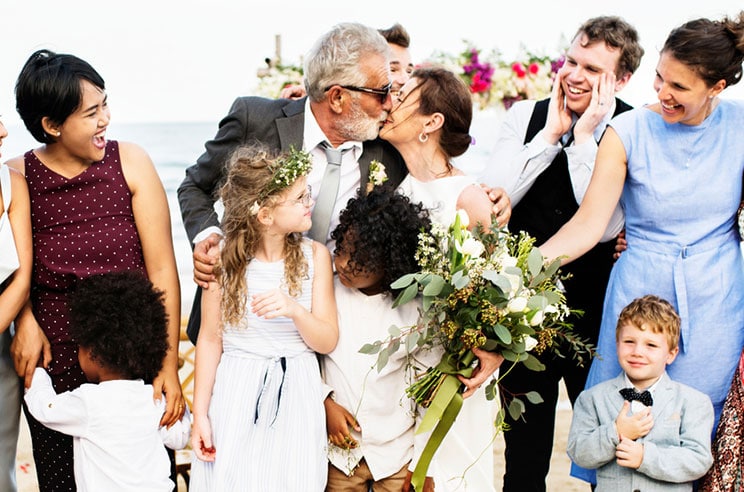
Many couples enter a marriage with children from previous relationships, sometimes also having children together. Though these families may be rich in love and connection, they can face challenges with regard to estate planning.
Without a clear plan, disputes can arise after a parent dies, sometimes pitting the surviving spouse against stepchildren or creating resentment among siblings. Thoughtful estate planning can help reduce family conflict and ensure your wishes are honored.
Why Estate Planning Is Especially Important for Stepfamilies
In traditional estate plans, assets usually pass automatically to a surviving spouse. In a stepfamily, this approach can unintentionally disinherit children from a prior relationship. For example, if everything is left to a surviving spouse, they are usually free to change their own estate plan later, meaning the deceased parent’s children may receive little or nothing. Special legal measures must be implemented to avoid this.
Proper estate planning allows parents to provide financial security for a surviving spouse and ensure that children from prior relationships are treated fairly.
Common Estate Planning Problems in Stepfamilies
- Accidental disinheritance of children. If a parent dies without a will (or with an outdated one), state intestacy laws typically prioritize the surviving spouse. The children of the deceased parent may receive nothing unless legally adopted by the surviving spouse.
- Intentional Disinheritance. A surviving spouse who agreed to include her stepchildren in her Will can simply change her Will and disinherit them. Or, as more often happens, her children, using power of attorney, effectively disinherit their stepsiblings by putting assets of the surviving spouse in joint accounts that bypass probate after death.
- Remarriage of Surviving Spouse. The new spouse of a remarried widow or widower can thwart the inheritance of the widowed spouse’s stepchildren and children. This can occur through divorce or via exercise of spousal rights against the estate of the widowed spouse.
- Conflicting expectations. Parents may assume their spouse will “do the right thing” and take care of their children. Unfortunately, verbal promises are not legally binding and can break down amid remarriage, financial pressure, or changing relationships.
- Unequal treatment among siblings. Children from different relationships may perceive favoritism, especially if some inherit earlier or receive more support during the parents’ lifetimes.
- Former spouses still listed as beneficiaries. Retirement accounts, life insurance policies, and payable-on-death accounts may still name an ex-spouse if they were not updated.
Different Ways to Handle Real Estate in Blended Families
Real estate, especially the family home, is often the most emotionally charged and valuable asset in a blended family. Here are different ways to handle passing on this type of property.
- Outright transfer to a surviving spouse. This is the simplest approach but also the riskiest for children from a prior relationship. Once the home belongs to the surviving spouse, they can sell it or leave it to their children.
- Life estate or the right to live in the home. A life estate allows the surviving spouse to live in the home for the rest of their life (or for a set period), after which ownership passes to the deceased parent’s children. This provides housing security without permanently disinheriting children.
- Trust ownership of the home. Placing the home in a trust can allow a surviving spouse to live there while preserving the property’s eventual inheritance for children. The trust can also specify who pays taxes, insurance, and maintenance.
- Sale of the home with proceeds divided. In some cases, families choose to sell the home after the parents die and divide the proceeds according to a set plan.
- Buyout provisions. A will or trust can give one party, such as the surviving spouse or certain children, the option to buy out the others’ interests at a fair price.
Pre and Post Nuptial Agreement. A properly drafted legally binding agreement between spouses can ensure that the estate plan agreed upon by both spouses is not later sabotaged. Special provisions, especially as regards prenuptial (before marriage) agreements are necessary to ensure that the agreement is legally enforceable. Notes Dionysios Pappas, an attorney with the law firm of Vasiliadis Pappas Associates, “a pre or post nuptial agreement should include special provisions to protect the couple’s estate in the event one or both require long-term care.”.
How Trusts Can Help in Stepfamily Situations
Revocable Trusts that become irrevocable after the death of one of the spouses are highly effective tools for estate planning in stepfamilies and blended families because they provide control, clarity, and flexibility.
- Providing for a surviving spouse without full ownership. Trusts can provide financial support for a spouse while preventing assets from being redirected away from the original family line.
- Reducing family conflict. Clear trust instructions leave less room for interpretation, helping to reduce disputes among stepfamily members.
- Controlling timing of distributions. Trusts can delay inheritance until children reach a certain age or milestone. This can be especially helpful when there is a wide age range among siblings.
- Using separate trusts. Some families use multiple trusts, such as one trust for a surviving spouse and another for children from a prior relationship to clearly separate interests and expectations.
Communication Matters
Though not always easy, honest conversations can reduce surprises and resentment. You do not need to share every detail, but explaining the general intent of your plan can help family members understand that decisions were made thoughtfully.
Putting It All Together
Estate planning for stepfamilies and blended families requires special legal measures. Moreover, it’s about more than money; it is about clarity, fairness, and preserving family relationships. Since these families do not fit neatly into default inheritance laws, proactive planning is especially important for protecting everyone and reducing the risk of conflict in the future. The lawyers at Vasiliadis Pappas Associates have extensive experience in assisting blended families with their estate and long-term care planning. Call us. We can help!